
The divine truth was at times revealed to the mystic in visions, auditions, and dreams, in colours and sounds, but to convey these nonrational and ineffable experiences to others the mystic had to rely upon such terminology of worldly experience as that of love and intoxication—often objectionable from the orthodox viewpoint. The symbolism of wine, cup, and cupbearer, first expressed by Abū Yazīd al-Bisṭāmī in the 9th century, became popular everywhere, whether in the verses of the Arab Ibn al-Fāriḍ, or the Persian ʿIrāqī, or the Turk Yunus Emre, and their followers. The hope for the union of the soul with the divine had to be expressed through images of human yearning and love. The love for lovely boys in which the divine beauty manifests itself—according to the alleged Hadith, “I saw my Lord in the shape of a youth with a cap awry”—was commonplace in Persian poetry. Union was described as the submersion of the drop in the ocean, the state of the iron in the fire, the vision of penetrating light, or the burning of the moth in the candle (first used by Ḥallāj). Worldly phenomena were seen as black tresses veiling the radiant beauty of the divine countenance. The mystery of unity and diversity was symbolized, for example, under the image of mirrors that reflect the different aspects of the divine, or as prisms colouring the pure light. Every aspect of nature was seen in relation to God. The symbol of the soul-bird—in which the human soul is likened to a flying bird—known everywhere, was the centre of ʿAṭṭar’s Manṭeq al-ṭeyr. The predilection of the mystical poets for the symbolism of the nightingale and rose (the red rose = God’s perfect beauty; nightingale = soul; first used by Baqli [died 1206]) stems from the soul-bird symbolism. For spiritual education, symbols taken from medicine (healing of the sick soul) and alchemy (changing of base matter into gold) were also used. Many descriptions that were originally applied to God as the goal of love were, in later times, used also for the Prophet, who is said to be like the “dawn between the darkness of the material world and the sun of Reality.”
Podcast also available on PocketCasts, SoundCloud, Spotify, Google Podcasts, Apple Podcasts, and RSS.
The Podcast
Join Naomi Ellis as she dives into the extraordinary lives that shaped history. Her warmth and insight turn complex biographies into relatable stories that inspire and educate.
About the podcast
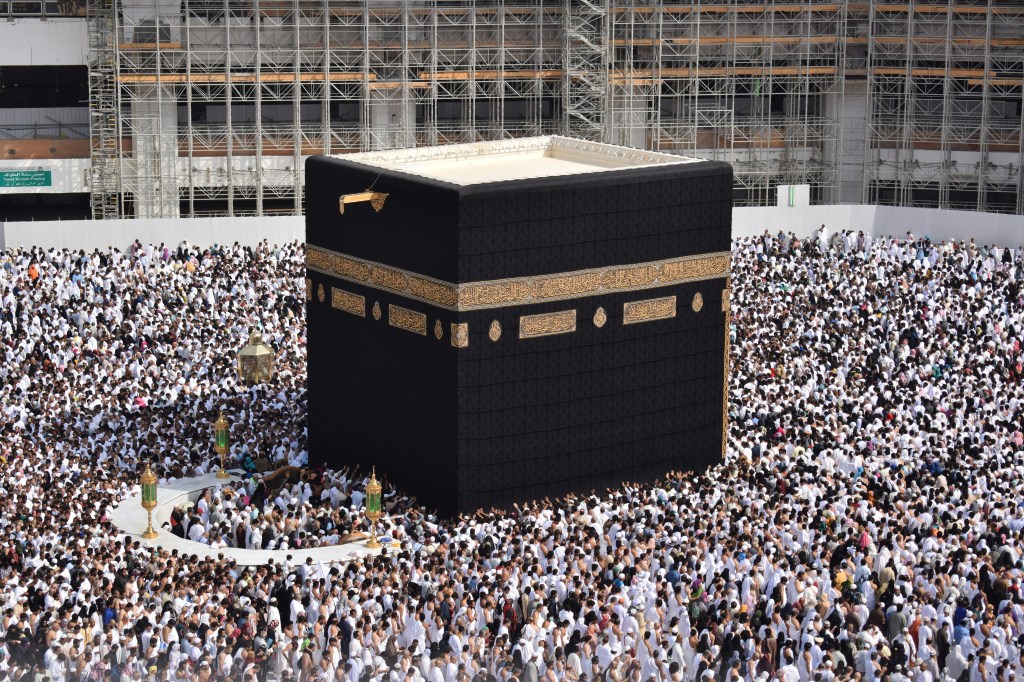

 ISLAMIC LIGHT
Hinterlasse einen Kommentar